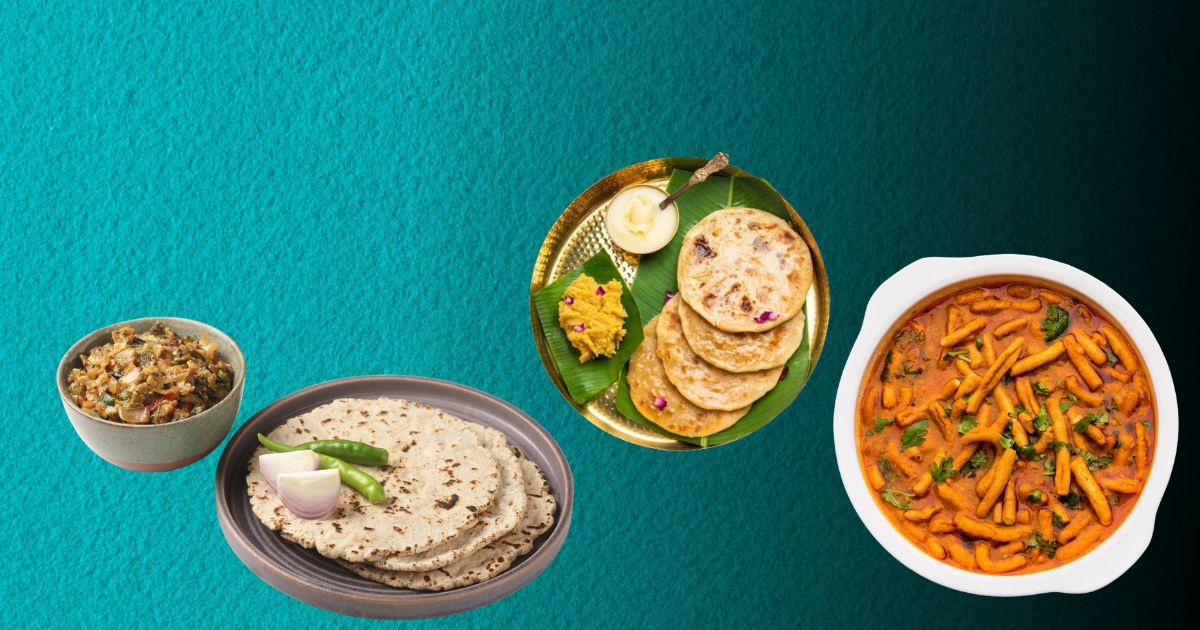
For thousands of families from Jalgaon, Dhule, Nandurbar, Bhusawal, Raver, Faizpur, Muktainagar, Chopda, Amalner, Parola and nearby towns, Pune has become a second home. People come here for education, careers and business growth — but the taste of true Khandeshi food never leaves the heart.
Even though most Khandeshi families know how to cook their traditional dishes, today’s fast-paced routine means long working hours, daily travel and limited time in the kitchen. Naturally, people look for convenient food options and try ordering from nearby restaurants or food delivery apps. But very soon they realise something important:
Why Restaurant Versions Feel Different
Ask anyone from Khandesh who has ordered Shev Bhaji in a typical Pune restaurant. The dish that arrives at the table often looks like a regular Punjabi-style curry with shev added on top. For someone who has grown up eating authentic Khandeshi Shev Bhaji, this difference is more than just taste — it feels like a completely different dish.
Most restaurant gravies in Pune are based on tomato, cream and standard masala mixes. In real Khandeshi cooking, especially for dishes like Shev Bhaji, the foundation is totally different.
What Makes Authentic Khandeshi Shev Bhaji Special
Traditional Khandeshi Shev Bhaji gets its body, colour and depth of flavour from:
- Bhajlela kanda – slow roasted onion, ground to a paste.
- Khobra – dry coconut, roasted and blended into the masala.
- Khade masale – whole spices gently tempered in hot oil.
- Wet red masala – freshly ground, prepared in small batches.
- A natural oil layer on top that carries aroma and flavour.
Many families in Khandesh still travel 40–50 kilometres just to buy authentic wet masala from a trusted maker. This masala is the heart of the dish. When tomato is used instead of this traditional base, the entire character of Shev Bhaji changes. That is why restaurant versions, even if tasty in their own way, rarely feel “like home” to someone from Khandesh.
The Unique Spice Profile of Khandeshi Food
Khandeshi food is known for its bold flavours, but it is not just about chilli. The flavour comes from:
- Slow roasting and grinding of masalas at home.
- Use of fresh spices in the right proportion.
- Patience in cooking – allowing gravies to thicken naturally.
- Balancing heat with the depth of onion, coconut and spices.
For people who have grown up with this food, a lighter city-style curry often feels mild and incomplete. At the same time, many non-Khandeshi people fall in love with this style of cooking once they taste the real version prepared in a home kitchen.
Signature Khandeshi Dishes People Miss in Pune
If you are from Khandesh, these names are not just food items – they are memories:
- Shev Bhaji – thick, rich gravy with homemade masala and plenty of shev.
- Vangyache Bharit – smoked brinjal mash with strong rustic flavour.
- Ghotaleli Vangyachi Bhaji – finely chopped, slow-cooked brinjal.
- Golyanche Pithle with rice – soft besan dumplings in spicy gravy.
- Dal–Gandori Waran – simple but soulful comfort dal.
- Olya mirchicha thecha – fresh green chilli thecha, not for the faint-hearted.
- Nistyachi chutney – a unique Khandeshi chutney with a deep, nutty profile.
- Kalanya bhakri / Jwarichi bhakri – rustic millet flatbreads.
- Kalanya Poori – a special variant enjoyed with specific sabzis.
Festival Identity – Puranpoli & Khapravarcha Manda
Festivals in Khandesh are incomplete without Puranpoli, served with:
- Katachi Amti – flavourful thin curry made from the puran stock.
- Kurdai – traditional sun-dried and fried crisps.
- Papad – adding crunch to the plate.
And then there is the famous Khapravarcha Manda – a giant puranpoli almost two feet wide, cooked on an inverted clay or metal pot. For many families, this one dish carries the entire emotion of their village and childhood. It is not something you will usually find on any city restaurant menu.
Why Authentic Food Matters When You Live Away From Home
For people from Khandesh who have made Pune their base, homemade food is much more than a daily meal. It is a connection to:
- Family kitchens and the way elders used to cook.
- Winter nights around hot bhakri and bharit.
- Festivals filled with Puranpoli, special sabzis and sweets.
- Village markets, fresh vegetables and local ingredients.
No commercial kitchen can fully recreate these memories, because they come from both taste and emotion.
Where to Find Authentic Homemade Khandeshi Food in Pune
Very few restaurants attempt true Khandeshi recipes because they require time, patience and traditional masala preparation. The easier option is to adapt existing gravies, which may be convenient but do not carry the same identity.
The most reliable way to enjoy authentic Khandeshi food in Pune is to order from home-chefs who are originally from Khandesh and who still cook the way they learnt at home. These are small home kitchens where the same food is cooked for the family and the customer.
Ordering Authentic Khandeshi Food Through the Foodishers App
If you are in Pune and missing the real taste of home, you don’t have to wait for a trip back to your village. You can install the Foodishers app, set your location, and look for home-chefs who mention Khandeshi, North Maharashtra, Jalgaon, Dhule or Nandurbar style in their profile or dish descriptions. Many of them prepare Shev Bhaji, Bhakri, Bharit, Pithle, Thecha and other traditional items on specific days or against pre-orders.
This way, you get food that is:
- Cooked in a real home kitchen, not an industrial setup.
- Based on original recipes, not tomato-based shortcuts.
- Prepared in smaller batches, with attention to taste and hygiene.
- Connected to your own regional identity and food memories.
FAQs – Authentic Khandeshi Homemade Food in Pune
1. Can I get authentic Khandeshi Shev Bhaji in Pune?
Yes, but typically not in mainstream restaurants. Authentic Shev Bhaji in Pune is mostly available through home-chefs who use roasted onion-coconut masala and traditional wet red spices instead of tomato-based gravies. The Foodishers app helps you discover such home-chefs.
2. Is Khandeshi food very spicy?
Khandeshi food is known for its bold, intense flavours and higher spice levels compared to many city dishes. However, the heat is balanced by the richness of onion, coconut and carefully prepared masala. Many people from other regions also enjoy it once they get used to the authentic taste.
3. Why do restaurant versions taste different from home-style Khandeshi food?
Restaurants often adapt recipes to local preferences and kitchen convenience, using tomato and common curry bases. Traditional Khandeshi dishes depend heavily on slow-roasted masala, wet spice mixes and specific methods passed down in families. This difference in technique naturally changes the final flavour.
4. Which Khandeshi dishes can I expect to find through Foodishers?
It depends on each home-chef, but you may find Shev Bhaji, Jowar or Kalanya Bhakri, Vangyache Bharit, Ghotaleli Vangyachi Bhaji, Golyanche Pithle with rice, Dal-Gandori Waran, green chilli thecha, Nistyachi Chutney and festive items like Puranpoli with Katachi Amti. Menus and availability can vary by day.
5. How do I start ordering authentic Khandeshi food using Foodishers?
Simply download the Foodishers app from the Google Play Store, set your location in Pune and browse for home-chefs who highlight Khandeshi or North Maharashtra style food. You can check their ratings, menus, timings and place orders directly from their profiles.
Final Thoughts
For the Khandeshi community living in Pune, authentic homemade food is much more than taste. It is a way to stay connected with roots, festivals, family stories and the landscapes of home. While restaurant food can be enjoyable in its own way, only home-style Khandeshi cooking can truly recreate that feeling.
If you miss the real flavours of Shev Bhaji, Bhakri, Pithle, Bharit and more, the Foodishers app gives you a simple way to reach the home kitchens of people who cook exactly like you remember. One order can turn an ordinary day in Pune into a plate full of Khandesh.