Why Packaging Is Part of the Customer Experience
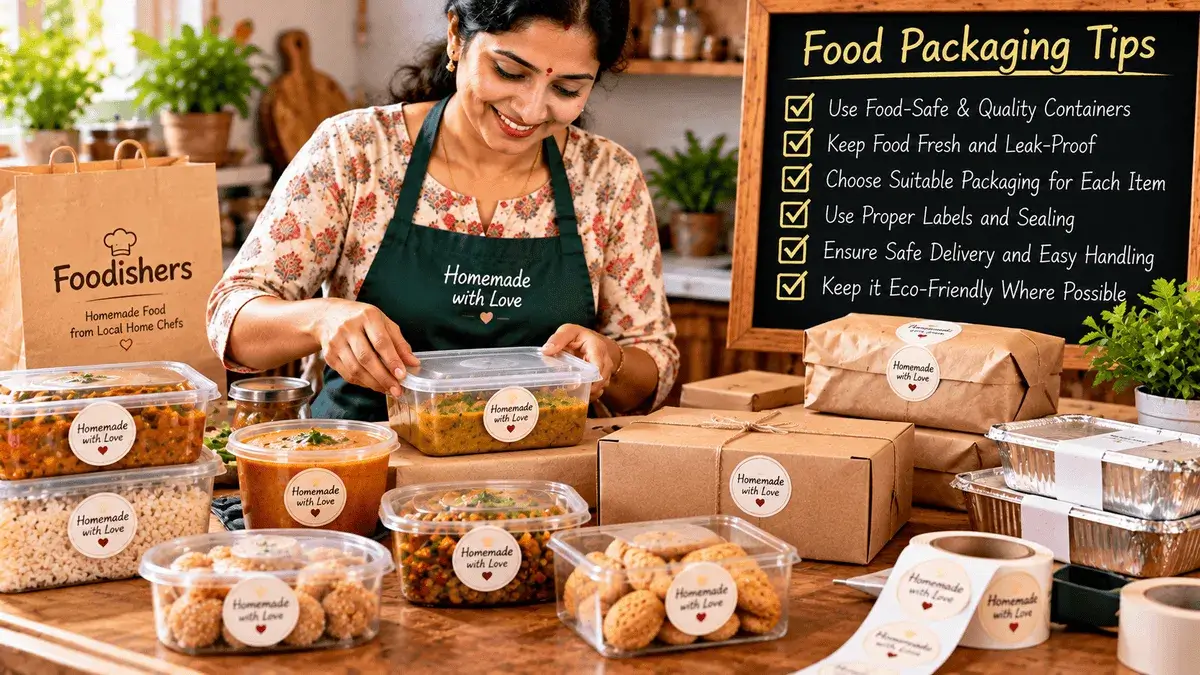
Customers notice more than the taste of a meal. A leaking curry container, a crushed snack or a mixed-up order can spoil an otherwise good experience. Packaging should protect the food, suit the journey and make the order convenient to handle.
It does not need to be expensive or elaborate. Clean, suitable containers, secure closures and clear order identification can make a meaningful difference. Choose packaging for the food first, then consider appearance and branding within your budget.
Choose packaging based on the food's temperature, moisture, texture and journey. One container type will not work equally well for every dish.
Choose Packaging for the Type of Food
Curries, Dal and Gravies
Use food-contact-safe, leak-resistant containers with secure lids. Leave suitable headspace and keep containers upright during packing and transport.
Chapati, Bhakri and Paratha
Choose packaging that protects the bread from dust and handling while considering trapped steam, which can soften or make some breads damp.
Snacks and Fried Items
Use suitable food-grade packaging that helps protect the shape and texture. Allow steam to escape appropriately where needed rather than sealing hot, crisp food in a way that makes it soggy.
Sweets and Bakery Items
Use clean boxes or trays that prevent delicate pieces from being crushed. Moist or refrigerated sweets need packaging and handling appropriate to their storage requirements.
Rice and Complete Meals
Separate components when it helps preserve texture or prevents sauces from mixing. Make sure the container can safely handle the food's temperature.
Chutneys and Accompaniments
Pack small sides in separate, tightly closed containers to help prevent spills and preserve the intended portions.
Use Clean, Food-Safe Materials
Use packaging intended for food contact and suitable for the food's temperature, moisture and oil content. Do not reuse single-use containers that are damaged, difficult to clean or not intended for reuse. Keep packaging stored in a clean, dry place, away from dust, pests and household chemicals.
When choosing disposable or reusable options, consider the whole use case: food safety, durability, cost, customer convenience and waste. Avoid making environmental or safety claims about a material unless you can verify that it is appropriate for the intended use.
Prevent Leaks, Spills and Mix-Ups
- Check each lid: Close containers fully and inspect them before packing.
- Keep wet and dry items separate: Prevent gravies, chutneys or dressings from soaking snacks and breads.
- Pack upright: Place liquid containers securely in a carrier that limits movement.
- Use an order checklist: Match each item and quantity to the customer's order.
- Separate hot and cold items: Use suitable bags or carriers so temperature-sensitive food is handled appropriately.
- Test the packaging: Before using a new container for customer orders, check its fit and performance with the actual type of food.
Label Orders Clearly
Clear labels can help customers identify their orders and understand what they received. Depending on your menu and applicable requirements, useful information may include the dish name, quantity, preparation or packing date, storage instructions, reheating guidance and contact details for questions.
For multiple orders, use a simple packing checklist or order number to avoid mixing up similar dishes. If ingredients or allergens are important to a customer, communicate accurate information and do not guess when you are unsure.
Protect Food During Delivery
Packaging is only one part of safe delivery. Plan how food will be carried, how long the journey may take and whether a dish needs temperature control. Keep food protected from dust, rain and direct contamination. Use suitable insulated carriers where needed and follow safe food-handling practices for hot and cold items.
Tell customers about any storage or serving instructions that matter. Perishable food should not be left at room temperature for extended periods, and the appropriate handling can differ by dish. Follow applicable food-safety guidance for the foods you prepare and sell.
Balance Packaging Cost and Presentation
Packaging cost belongs in your recipe pricing calculation. Include the container, lid, bag, label, seal and any protective material used per order. If a premium box is needed for gifting or a special occasion, make sure the price covers that additional expense.
Simple presentation can still look professional: clean containers, consistent packing, neat labels and a tidy bag all help. Branding is optional; reliable packaging and accurate orders matter more than decorative extras.
Reduce Waste Without Compromising Food Safety
Choose container sizes that suit actual portions and avoid unnecessary layers of packaging. Consider recyclable or reusable options only where they are appropriate and accepted in your area, and provide clear instructions if customers are expected to return reusable containers.
Do not reuse packaging in ways that compromise cleanliness or food safety. Review customer feedback and damaged-order reports to identify where a different container or packing method could reduce waste and improve the experience.
Make a Simple Packing Checklist
- Are the containers clean, suitable for food contact and undamaged?
- Does each dish have the right container and secure closure?
- Are wet, dry, hot and cold items separated where necessary?
- Does the order contain every item and the correct quantity?
- Are labels and any required storage instructions accurate?
- Is the order packed securely for the expected journey?
Packaging Tips for Foodishers Home Chefs
If you sell through Foodishers, choose packaging that matches your menu and the way your orders are delivered or collected. Include packaging expenses when setting prices, keep packing consistent and confirm any special customer requests before dispatch. Different dishes may need different solutions, so test packaging before adopting it for every order.
Reliable packing supports the care you put into preparing homemade food and helps customers receive the order as expected.
Prepare Every Order with Care
Choose food-safe packaging, check each order and make the customer experience part of your process.
Explore Becoming a Home Chef