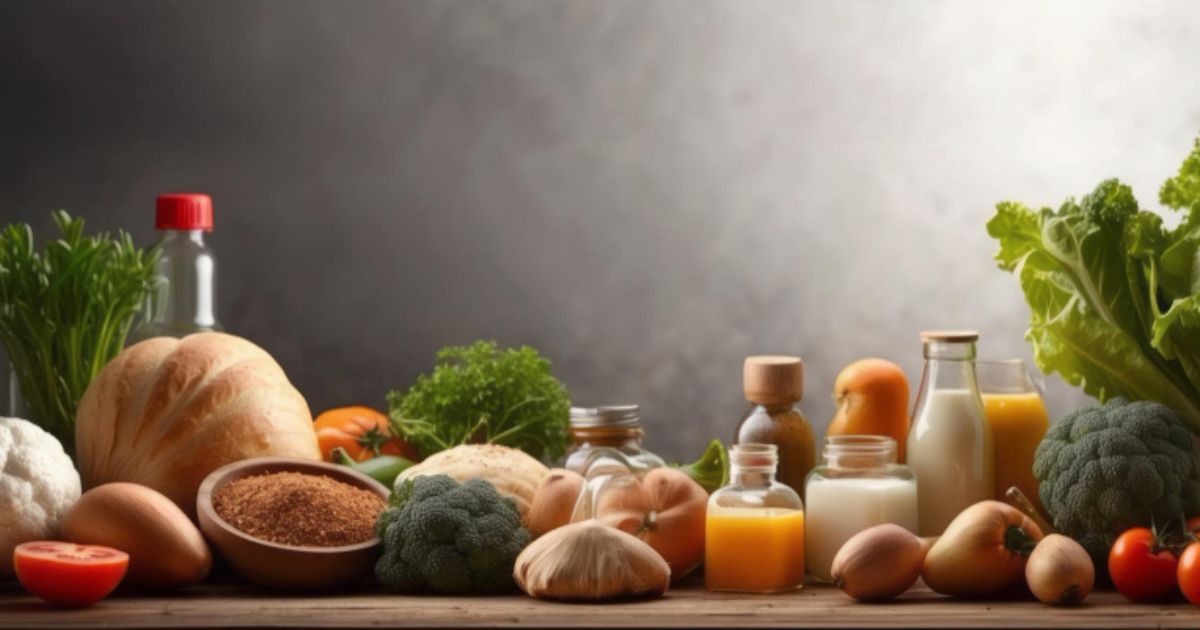
Great homemade food always starts with great ingredients. Even if your recipe is perfect, the final taste depends on the quality of your grains, oil, spices and vegetables. In busy cities like Pune, it is very easy to pick whatever is available quickly and later realise the dal doesn’t cook well, the oil smells strange or the vegetables spoil too fast.
1. Choosing Pure Grains, Pulses and Flours
Rice, wheat, dal and flours are the base of most Indian meals. If these are not good, nothing on the plate feels satisfying.
- Look at colour and uniformity: Good rice or dal is usually uniform in size and colour, without too many broken pieces.
- Check for stones and insects: Gently move your hand through the container or packet. You should not see small stones, webs or insects.
- Prefer unpolished options when possible: Unpolished dals and brown rice retain more fibre and nutrients.
- For flours, buy small quantities: Atta, besan or other flours lose freshness faster. Buy in quantities you can finish within 3–4 weeks.
2. Picking the Right Cooking Oil
Oil is used daily, so its quality directly affects both taste and health. Here are a few things to keep in mind:
- Check the label: See manufacturing date, expiry date and type of oil (groundnut, sunflower, rice bran, etc.). Avoid very old stock.
- Prefer cold-pressed or expeller-pressed: These are usually less processed and closer to natural form.
- Avoid strong artificial smell: Fresh oil has a mild natural aroma. Very strong or strange smell can be a warning sign.
- Buy from trusted mills or brands: Consistency and accountability matter when it comes to everyday ingredients.
3. How to Identify Good Quality Spices and Masalas
Spices are the soul of Indian food. Low-quality or mixed masalas can spoil both taste and health.
- Whole spices over ready powders: When you can, buy whole jeera, coriander, black pepper, etc. and grind them fresh.
- Check aroma: Rub a pinch between your fingers and smell. Fresh spices have a strong natural fragrance.
- Beware of unnatural colours: Very bright red chilli or turmeric can sometimes indicate added colours.
- Buy masalas from small, trusted makers: Many local brands in Pune make excellent garam masala, goda masala and kanda-lasun masala in small batches.
4. Selecting Fresh Vegetables and Fruits
Vegetables and fruits should feel alive and full of water, not dull or tired. A few seconds of checking can save you from throwing things away later.
- Check firmness: Press gently – tomatoes, bhindi, bhendi, cucumbers, etc. should feel firm, not very soft.
- Avoid cuts and bruises: Too many marks or open cuts invite insects and faster spoilage.
- Look for natural colour: Extremely shiny or waxy surfaces can sometimes mean coating.
- Seasonal is usually better: Buying what is in season locally often gives you better taste and price.
5. Milk, Curd, Paneer and Ghee
Dairy products are delicate and spoil quickly if not handled well. Basic checks:
- Milk: Smell lightly before boiling. Sour or unusual smell is a clear sign to avoid.
- Curd: Should look smooth and set. Too much separation of water and very sour smell show that it is old.
- Paneer: Fresh paneer feels soft yet firm. It should not be rubbery or have a sour odour.
- Ghee: Has a rich, warm aroma. If it smells like plain oil or has no fragrance, quality may not be good.
6. Reading Labels on Packaged Foods
Even when you buy packets, labels can tell you a lot if you take a few seconds to read them.
- Ingredients list: Shorter lists are usually better. Ingredients should be familiar kitchen words, not only chemicals.
- Order of ingredients: The first few ingredients are present in the highest quantity. This helps you understand what you are really buying.
- Dates and storage: Always check manufacturing and expiry dates, and follow storage instructions.
- FSSAI licence: Printed licence number shows that the product comes from a registered manufacturer.
7. Where to Buy Good Ingredients in a City Like Pune
Every family finally develops its own trusted sources. A simple approach could be:
- Daily or 2–3 times a week vegetables: From a nearby vendor or market where you can personally check freshness.
- Monthly groceries: From a kirana shop or supermarket that maintains clean, dry storage and proper billing.
- Specialty items: Cold-pressed oil mills, flour mills, organic or local farmer outlets for specific ingredients you care about most.
In the beginning you may have to experiment a little. Once you are happy with a shop’s quality and honesty, staying loyal to that seller makes future shopping much easier.
8. How This Connects with Homemade Food on Foodishers
Many home chefs on Foodishers are already doing this ingredient selection daily for their own families. They know which vegetable vendor gives fresh bhaji, which oil brand suits their recipes and which masala maker matches their regional taste.
When you order homemade food through Foodishers in Pune, you are indirectly benefitting from the same care they take while buying ingredients. It is still important to ask questions, share your preferences and choose the home chef whose style matches your family’s needs.
FAQs – Choosing Pure and Fresh Ingredients
1. Are organic ingredients always better?
Organic ingredients can be a good choice, but they are not the only option. Freshness, cleanliness and trust in the seller are equally important. Many non-organic but carefully grown ingredients can also be excellent for daily home cooking.
2. How often should I replace spices and masalas at home?
Whole spices can usually be kept for 8–12 months if stored in airtight containers away from heat and light. Ready masala powders should ideally be used within 3–6 months for best flavour.
3. Is buying everything online risky?
Online shopping is convenient, but you should still choose known platforms and brands, and check reviews. For items where you like to see and touch (for example vegetables or fruits), local markets may still feel more comfortable.
Final Thoughts
Choosing pure and fresh ingredients is not about perfection; it is about small, consistent habits. Looking closely, smelling gently, reading labels for a few seconds and trusting the right sellers can completely change the quality of food on your plate.
Start with one or two categories that matter most to you – maybe oil and vegetables – and slowly improve the rest. Over time, your family will feel the difference in taste, digestion and overall energy, even if the recipes remain the same.