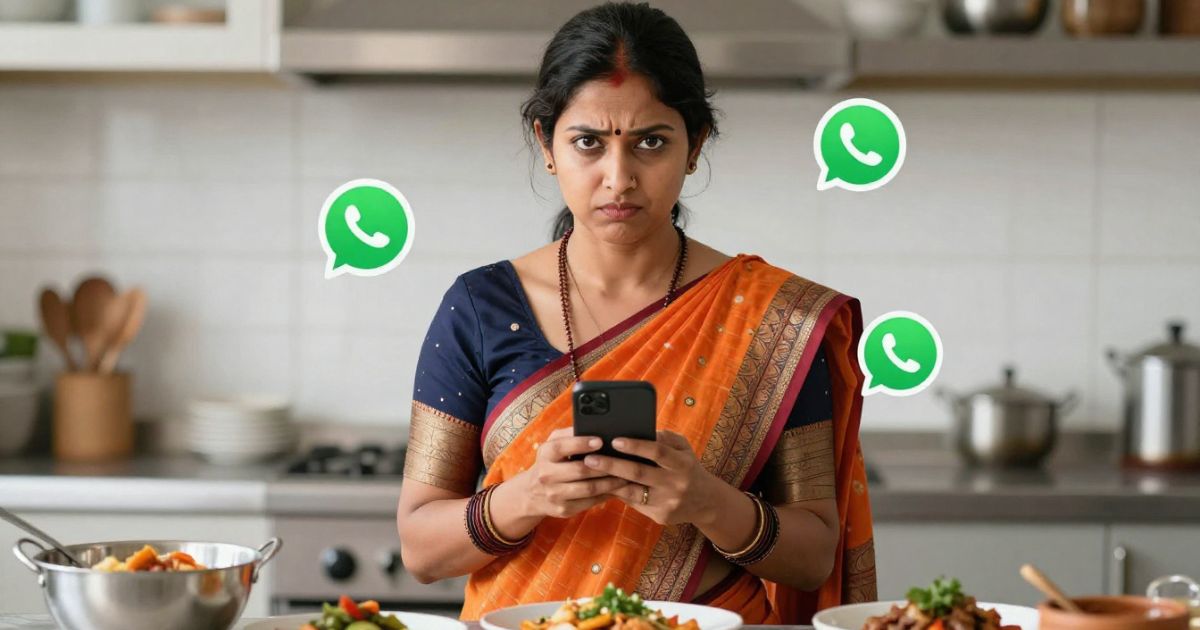
In a home kitchen business, one of the most stressful experiences is when an order is canceled at the last minute. Food is nearly prepared, ingredients are set, and suddenly everything collapses with a phone call.
While you cannot prevent every cancellation, with the right approach you can reduce the impact and be better prepared for future orders.
Why Do Last-Minute Order Cancellations Happen?
Many times the reason behind a cancellation isn’t just the customer changing plans — it can be due to unclear confirmation processes on your side. When customers are not given clear expectations about timing, payment, confirmation, and cancellation policies, it increases the likelihood of last-minute cancellations. :contentReference[oaicite:0]{index=0}
Steps to Take When an Order Is Canceled Last Minute
First, it’s important to stay calm. Immediate emotional reactions or arguments with the customer will not reduce your loss — it may even make things worse.
If you have taken an advance payment for the order, that can help reduce financial loss from the cancellation. If not, view the situation as a learning opportunity for your next order.
If the food is already prepared and cannot be stored for later use, consider reaching out to regular or known customers to see if they can buy the remaining food at a discount. This isn’t always possible, but it can reduce wastage and loss.
What Not to Do After a Cancellation
Avoid going public with arguments, complaining on social media, or generalizing the behavior of customers. One cancelled order doesn’t mean your entire business model is flawed.
How to Prevent Similar Cancellations in the Future
Small changes to your process can make a big difference:
- Require advance payment for confirmation.
- Use a fixed message template for order confirmation to ensure all details are clear.
- Clearly communicate the last time cancellation is allowed, so customers understand expectations.
A last-minute order cancellation is not simply the customer's fault. When your process is strong, one cancellation won’t shake your business. In a home kitchen, success doesn’t rely on emotions — it relies on a clear, repeatable process.