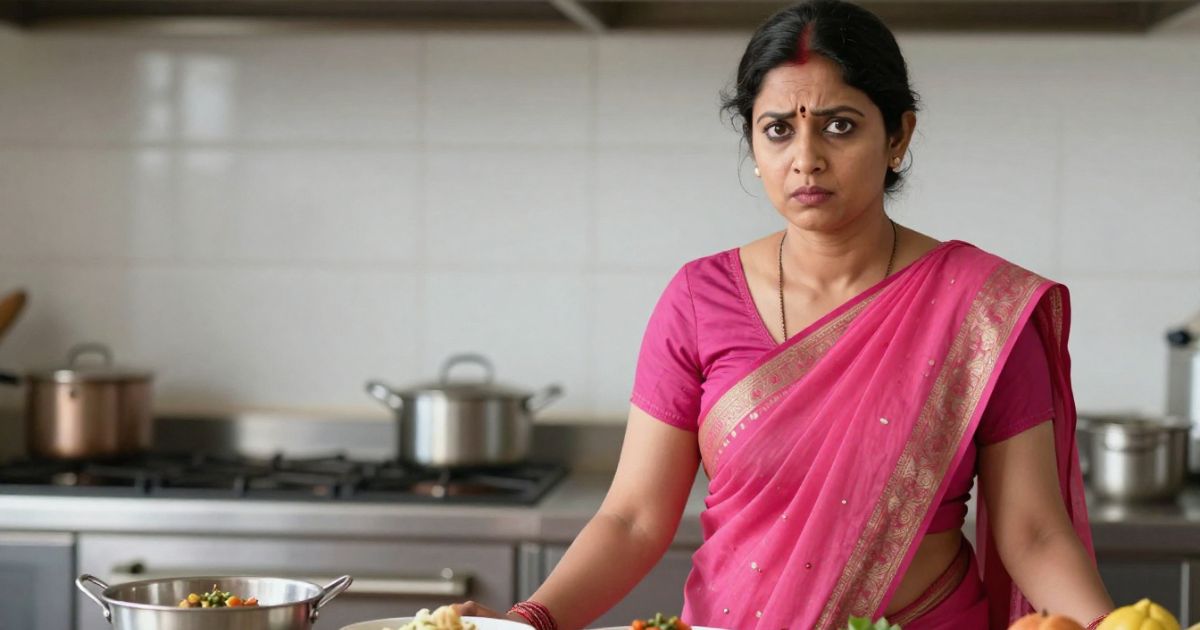
When orders start increasing, most home kitchen owners feel happy. It feels like the business is finally working.
But after a few days, something unexpected happens — stress starts increasing instead of reducing.
Do more orders really make things easier?
More orders definitely mean more income potential. But they also mean more decisions, more coordination, and more responsibility.
If there is no clear system, every new order becomes a new problem to solve.
The real reasons stress increases
Not all orders are the same. Some need quick delivery, some have quantity changes, some come with last-minute requests.
When everything is handled manually — calls, messages, confirmations, follow-ups — mental load keeps increasing.
Effort increases, clarity does not
Most home kitchens respond to growth by working longer hours. More cooking, more talking, more adjustments.
But without defined processes, extra effort does not translate into stability. It only leads to exhaustion.
When does stress actually reduce?
Stress reduces when rules are defined — not when effort increases.
When order acceptance criteria are clear, when timelines and conditions are fixed, and when decisions are guided by systems instead of emotions, growth becomes manageable.
Why some home kitchens stay calm even with more orders
They do not accept every order blindly. They accept the right kind of orders.
Their boundaries are defined in advance, which protects both their time and energy.
Order growth is a good sign.
But without systems, the same growth becomes the biggest source of stress.